Decarbonization, resource conservation, and the preservation of ecosystems are the key levers for making our economy sustainable within planetary boundaries—and they are closely related. Those who strategically consider these interconnections open up new opportunities for innovation and thus competitive advantages, while lowering business risks at the same time. This is what we at econsense are working on together with our member companies.
Climate & Environment

Climate and Environmental Protection as a Business Opportunity
Climate change, resource scarcity, and biodiversity loss are not abstract future scenarios; they are already affecting supply chains, business models, and investment decisions today. Companies play a dual role in this context: they cause environmental impacts—such as through greenhouse gas emissions, resource and energy use, and land consumption. However, they are also drivers of innovation in industries such as cleantech and circular economy, and thus a driving force of sustainable transformation.
Transition plans play a key role in the climate and energy sector. They link science-based decarbonization targets (e.g., along the SBTi methodology) with concrete measures across all scopes, establish robust governance structures, and set milestones. This enables companies to integrate physical risks (such as extreme weather events and changes in precipitation) and transitional risks (market changes and regulatory shifts) into their corporate and financing strategies.
Biodiversity loss poses a comparable systemic risk, and only by systematically analyzing their dependencies, impacts, and opportunities can companies actively manage it. Closely linked to climate and biodiversity is the circular economy, which closes raw material loops and reduces resource dependencies.
Proactively managing these transformation issues enhances future viability and creates opportunities for innovative value creation. This includes tapping into new markets and customer segments through new products and services, as well as building greater resilience. This is achieved, among other things, by more efficient use of resources and energy, thereby reducing dependencies in times of geopolitical uncertainty.
Current topics and offerings in the cluster
Through peer learning and regular updates, we support the member companies of the Cluster Climate & Environment in developing concrete strategies and structures for sustainable business models that align with the expectations of both internal and external stakeholder groups. To this end, we foster dialogue with relevant stakeholders from the business community, politics, academia, and civil society.
In addition to the cluster meetings, current offerings include roundtables on biodiversity and the circular economy, a series of sessions on climate transition plans and risk management, as well as regular updates on the latest scientific findings and voluntary and mandatory regulatory developments at both the national and international levels.
Your contact at econsense

Thomas Sicking
Project Manager
Related content
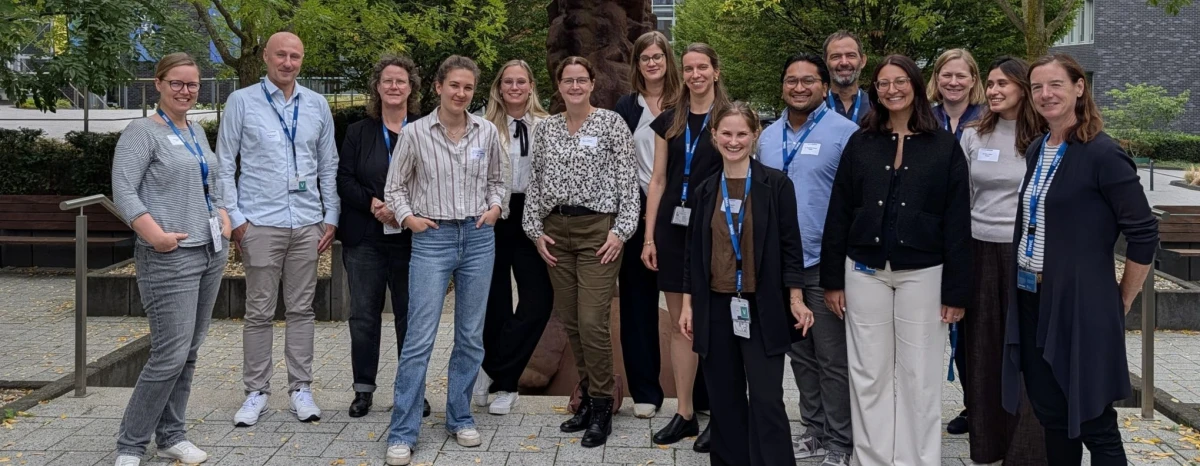
Recap zum 4. econsense Nature Roundtable
15.09.2026
Intakte Ökosysteme sind eine Voraussetzung für wirtschaftliche Aktivität und ein wichtiger Faktor …
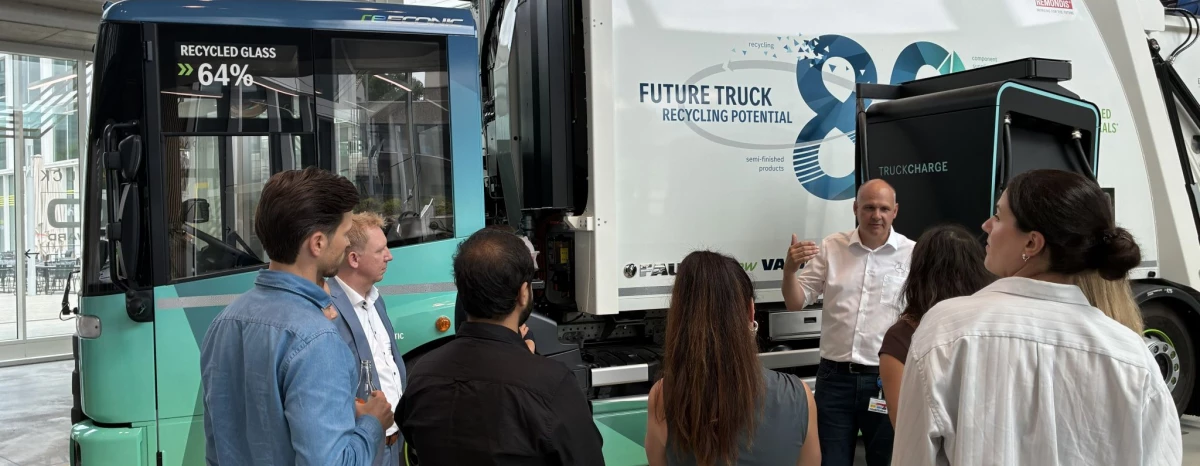
2. Ausgabe unseres Deep Dive Workshops zu Climate Transition Plans
16.07.2026
Beim zweiten Deep Dive der econsense-CTP-Reihe bei der Daimler Truck AG in Stuttgart vertieften die …
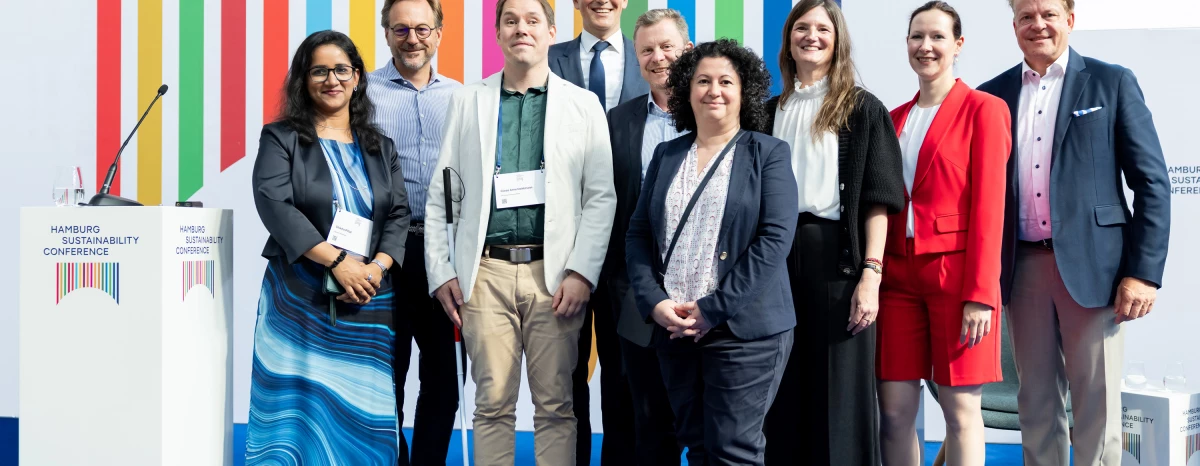
Insights from the econsense session at the Future Economy Day by HSC
03.07.2026
In our panel discussion and solution pitches on “𝗖𝗶𝗿𝗰𝘂𝗹𝗮𝗿 𝗘𝗰𝗼𝗻𝗼𝗺𝘆 𝗶𝗻 𝘁𝗵𝗲 𝗧𝘄𝗶𝗻 𝗧𝗿𝗮𝗻𝘀𝗶𝘁𝗶𝗼𝗻: …
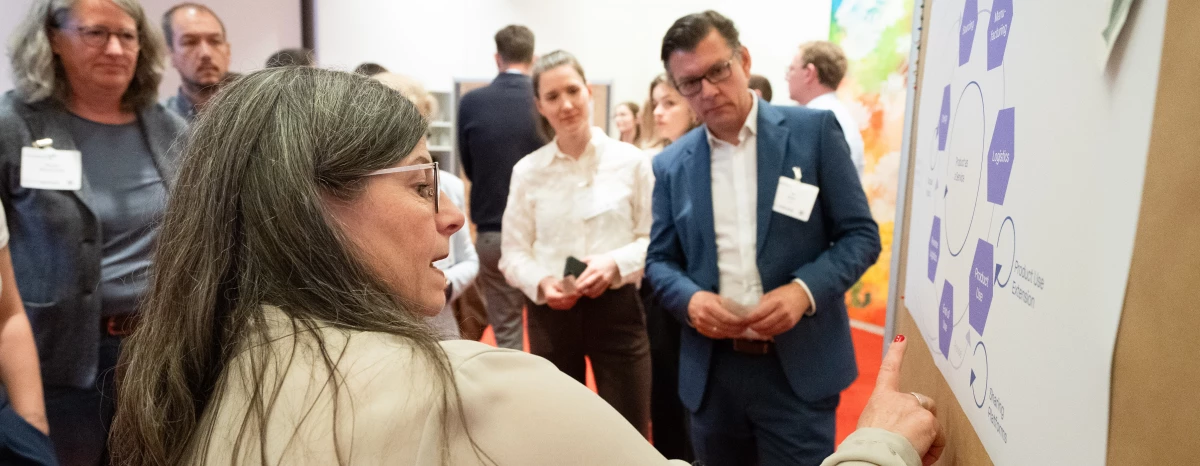
ecolution26-Recap zur Breakout Session „Kreislaufwirtschaft“
30.06.2026
Wert sichern, Wirkung ausbauen: In der Breakout Session "Kreislaufwirtschaft" haben wir genau …
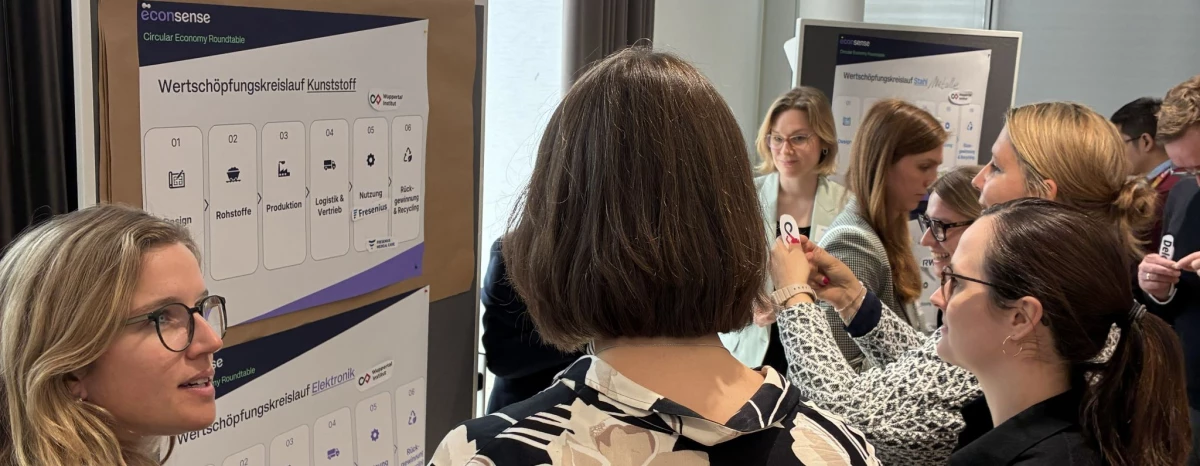
Recap on the first Circular Economy Roundtable
27.03.2026
Don’t wait—take action! That’s the key takeaway from our first Circular Economy Roundtable, which …
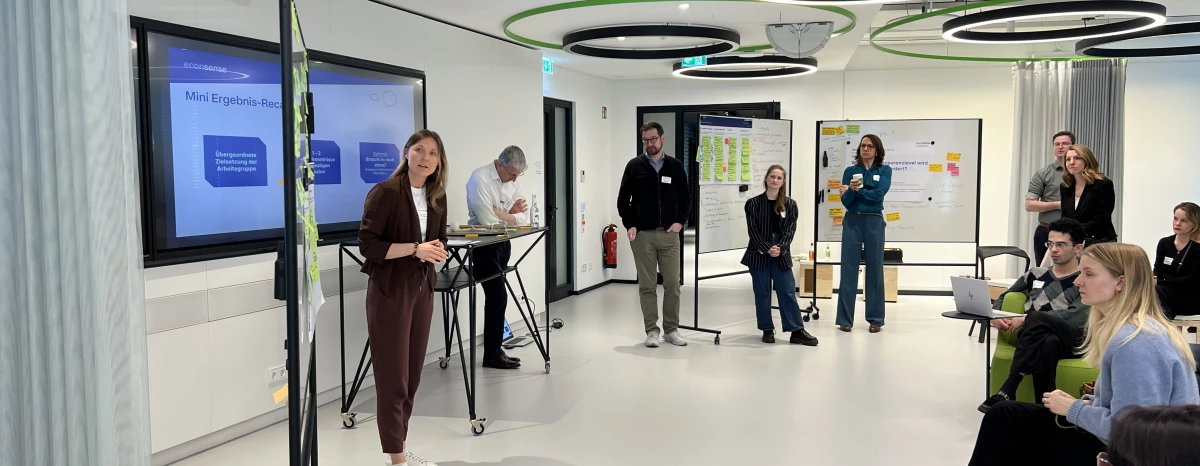
Deep-Dive into Climate Transition Plans
10.03.2026
Complex challenges are rarely solved alone: At the deep-dive workshop in our series on climate …
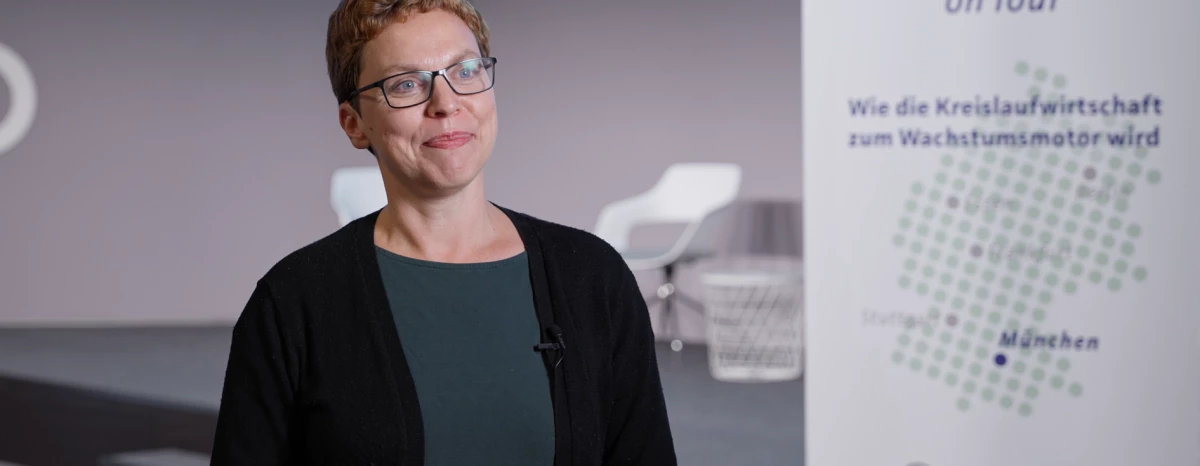
Interview with Nadine Braun of E.ON at ecolution on Tour 2025
12.12.2025
The circular economy as a source of creativity and collaboration. As part of our eoT25 interview …
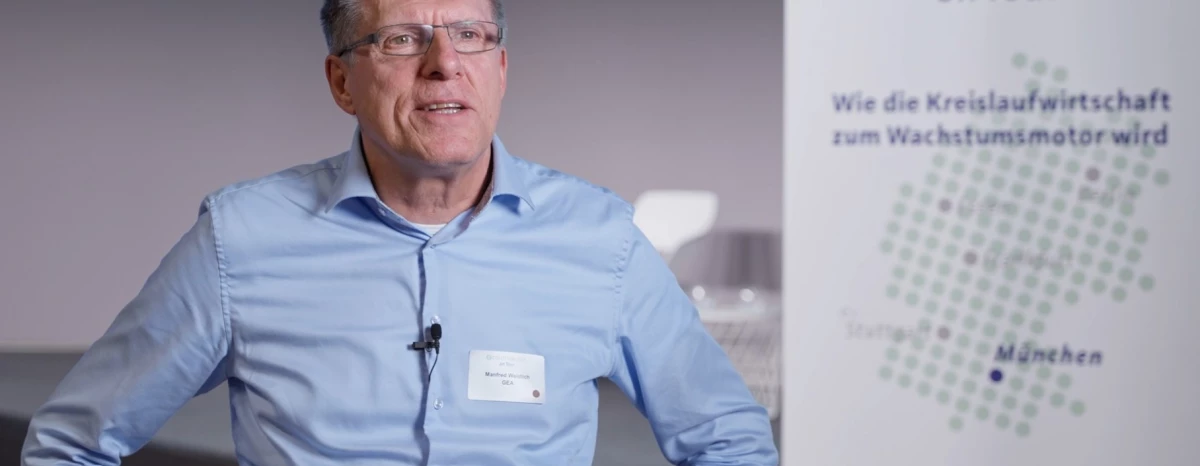
Interview with Manfred Weidlich of GEA at ecolution on Tour 2025
24.11.2025
Using a drum as his favorite example, Manfred Weidlich of the GEA Group discusses what the circular …
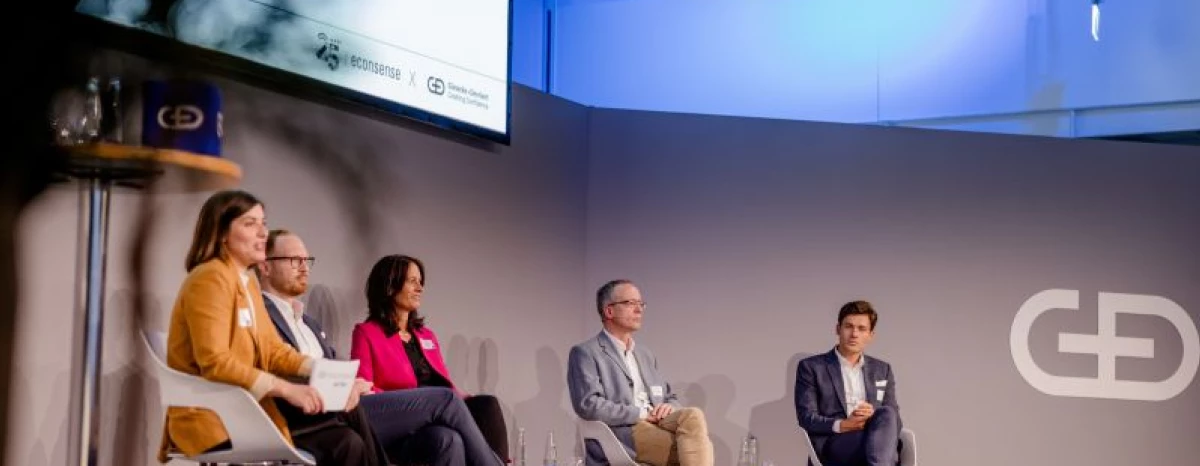
ecolution on Tour 2025: Recap
10.10.2025
The future is circular. At the econsense cluster meeting and the subsequent ecolution on Tour, we …